Μικρές ιστορίες – Αντρούλλα Σιάτη (Δάλι)
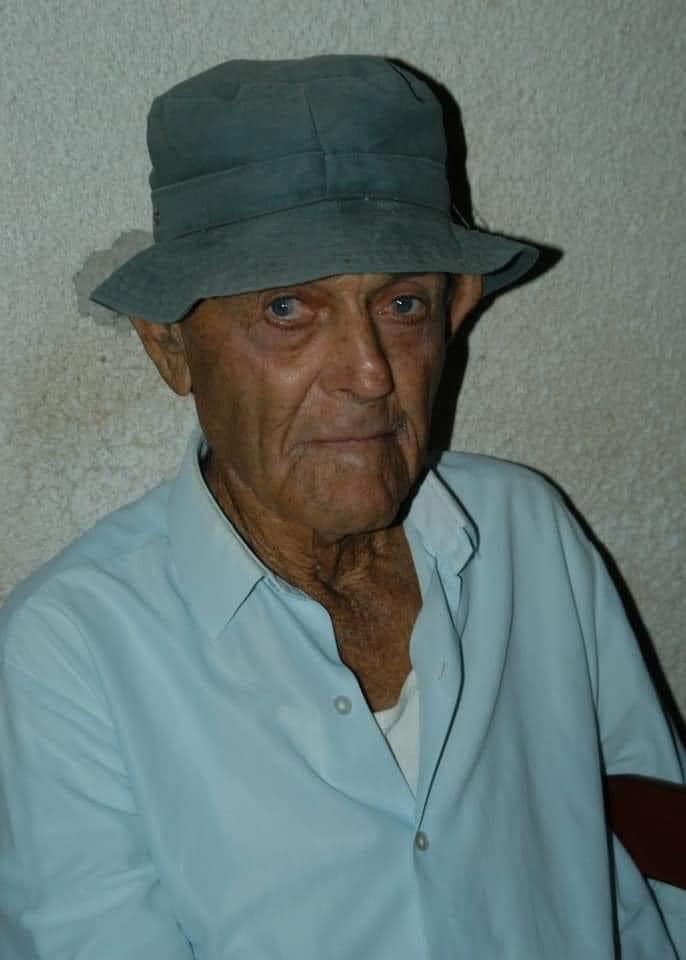
Ριφάτ Καρκαμπλούμης, Λουρουτζιάτης γύρω στο 1998
Τα οδογράγματα άνοιξαν το 2003
Μια μέρα είχαμε πάει στο Πράσινο Σημείο με τον γιο μου Χρίστο να πετάξουμε κάποια κλαδέματα.
Το σημείο αυτό ήταν στην περιοχή Πιπέρης, προς Λουρουτζίνα. Πιο πέρα ευρίσκονται και οι γνωστές τερατσιές του ΚύρΣάββα.
Την ώρα που ετοιμαζόμασταν να επιστρέψουμε στο Δάλι βλέπουμε έναν άγνωστον ηλικιωμένο άντρα να έρχεται από την κατεύθυνση της Λουρουτζίνας, πάνω σε ένα παλιομοδίτικο ποδήλατο .
Όταν μας είδε σταμάτησε και χαιρέτισε στα Ελληνικά. Τον ρωτήσαμε που πήγαινε και μας είπε ‘Γυρεύκω τον αστυνομικό τον Κλεόπα που κάθετε στο Δάλι.’ Ήταν ένας πολύ ψηλός άντρας με άσπρα μαλλιά και γαλανά μάτια όπως πολλοί Λουρουτζιάτες, οι οποίοι είναι απόγονοι των Λουζινιανών, μικτών γάμων, κρυπτοχριστιανοί, Λινοβάμβακοι.
‘ Μα εσού πόθθεν έρκεσαι;’ τον ρώτησα.
‘Ερκουμαι που την Λουρουτζίνα’ μας απάντησε.
‘Μα τζιαι αφήνουν σας να περνάτε;’ ξαναρώτησα.
Ναι πολλοί Λουρουτζιάτες περνούν που τα χωράφκια τζιαι πάσι στο Δάλι τζιαι αλλού.’ μας είπε.
Μας ζήτησε βοήθεια να βρει τον κύριο Κλεόπα. Μας είπε ότι πριν μερικούς μήνες είχε πεθάνει η γυναίκα του και τον ττεμπίσιασε να πάει οπωσδήποτε να βρει τζιείντον άνθρωπο που του έσωσε την ζωή τζιαι να τον ευχαριστήσει.
‘Το 74 μες στο πραξικόπημα επιάαν με εμένα τζιαι θκιο άλλους βοσκούς που τες μάντρες μας τζιαι επήραν μας στον αστυνομικό σταθμό της Νήσου. Εδέραν μας, εκαστιορήσαν μας αμμά εμείς εν τζιαι ξέραμεν τίποτε να τους πούμε.’
Ο κύριος Κλεόπας, μακάρι ναν καλά είπεν τζιείντους ‘παλληκαράες’, ‘Αφήστε τα σιόρ τα πλάσματα, εν φτωσιοί βοσκοί εν τζιαι φταίξασιν σε τίποτε. Αήστε τους να πάσι στο κουπάι τους τζιαι στες οικογένειες τους τζι εν κρίμα.. Έτσι εν πο γίνηκεν τζιαι ξαπολύσαν μας. Έτσι τζιαι γιω αφού το υποσκέθηκα της γεναίκας μου πριν πεθάνει πάω στο Δάλι να τον έβρω.’
‘Να σε πάρουμε κύριε Ριφάτ. Έμπα στο αυτοκίνητα τζιαι θα ποδηλατήσω εγιώ το ποδήλατο σου.’ Δεν ήταν τζιαι εύκολο πράμα ένα πανύψηλο ποδήλατο κάπου 60 χρονών.
Φτάσαμε αισίως στο σπίτι του κυρίου Κλεόπα. Κυριακήν ημέρα περίμενε τα παιδιά του για φαί και άναβε κάρβουνα στην φουκού.
‘Κύριε Κλεόπα έφερα ένα κύριο ο οποίος σε γυρεύκει που τζιαιρό τζιαι έθελεν να σε δει,’ του είπα.
Κοιτάζει τον Ριφάτ καλά καλά τζιαι λαλεί του, ‘είσαι τζείνττο Τουρτζιίν πουεφέραν με θκιο άλλους βοσκούς στον αστυνομικό σταθμό το 74;’
Ο Ριφάτ απαντά του , ‘ναι εγιώ είμαι τζιαι ήρτα να σε ευκαριστήσω που στάθηκες η αφορμή να μας ξαπολύσουν τζιαι να είμαστον σήμερα ζωντανοί.Πριν πεθάνει η γεναίκα μου υποσχέθηκα της ότι εν να έρτω να σε ευκαριστήσω.
Έπεσαν ο ένας στην αγκαλιά του άλλου. Η συγκίνηση στο απόγειο. Κλαίγαμε όλοι. Στιγμές ανθρώπινες, στιγμές ανθρωπιάς, εκεί που η καρδιά ανοίγει τα φύλλα της και ρέει ο λόγος και το δάκρυ ακατάσχετα, χωρίς αναστολές, χωρίς ντροπή.
Κάτσαμε, φάγαμε το γλυκό μας, ήπιαμε το δροσερό νερό μας και αποχαιρετιστήκαμε.
Έβγαλα και φωτογραφίες. Κάπως ανήσυχος ο κύριος Κλεόπας μου λέει, ‘εν τζι εν να τες βάλεις σε καμιάν εφημερίδα ελπίζω.’
Όχι κύριε Κλεόπα,’ τον διαβεβαίωσα.
Σε ταξίδι που πήγα ένα μήνα πιο μετά μου έκλεψαν το τηλέφωνο όπου υπήρχαν οι φωτογραφίες, στην Αθήνα, στον σταθμό του Μετρό. Χάθηκαν εκείνες οι φωτογραφίες αλλά αυτές που αποτυπώθηκαν στην μνήμη μου θα είναι πάντα εκεί.
Γράφω αυτή την ιστορία για να μιλήσω και να πω ότι μέσα στα πραξικόπημα, μέσα στον πόλεμο που ακολούθησε με την Τουρκική εισβολή, υπήρξαν πράξεις ανθρωπιάς, από δικούς μας αλλά και από ανθρώπους της άλλης πλευράς, τον ‘εχθρό’ δηλαδή, ακριβώς όπως υπήρξαν αποτρόπαια εγκλήματα και από τις δύο πλευρές. Ο πόλεμος είναι βάρβαρος όχι οι άνθρωποι.
Εν Ιδαλίω
Σεπτέμβρης 2020
ΥΓ ο Erkan Barbaros λέει σε σχόλιο του για τον θείο του Ριφάττη
Ήταν που τους πρωτοβοσκούς του χωρκού μας Ήταν πολλά μερακλής στα πρόβατα του.
Αρέσκαν του οι σταχτιές και μαυροπατσάλες κουβέλλες και που τες κατσίκες οι κατελλούρες και οι σιιλιόνες του αρέσκαν πάρα πολλά.
Με την βούρκα του και με την ττοππούζα του ήταν number one.
Το κουπάι του ήταν αρματωμένο με τα καμπανέλια.
Ακόμα πάρα πολλά μπορώ να πω για τον θείο Ριφάττην και για την παλιά ζωή του που εχρησιμοποίαν. Ήταν ένας πάρα πολλά προκομμένος άνθρωπος.
Mustafa Gelener
¨εχουμε πολλές ιστορίες όμως πρέπει να τα πούμε να τα γράψουμε για τα παιθκιά μας να μεν χαθούν
Arıegeoıs North Cypriot
sent a famıly photo of Rıfat on hıs 93rd bırthday
MehmetMahmut
O RufatTayis (uncle) ,RifatKarkaploumi was a hard working, straightforward man. He probably reached his nineties to die. After the war the shepherds were not allowed to go too far from the village so he had to take his herd, alongside some other shepherds and they went to Dikomo… he only lasted two years there. He said there is no place like Louroudjina, he took his goats and sheep and walked to Louroudjina… When he became an elderly man he was still the same RifatTayi. he would walk on his way to the coffee shop with his stick (matsouka), a tall man, he never bent, standing straight. a man with no fear from anyone and never needed any one. He earned his life working. He lived long and he really lived a lot of things; it is shame that he was not interviewed, to tell stories from the twenties thirties forties…
Short stories – AndroullaShati (Dali)
Rifat Gargablumis ‘Lurujiatis’, circa 1998
This happened in 1998. The opening of the checkpoints took place in 2003..
One day I went with my son Christos to the local recycling centre to get rid of some green waste. This was located in an area known as Biberis in the direction of Lurucina just before the well-known carob orchard of Kyr. (Mr.)Savas.
As we were getting ready to head back to Dali we saw an old,unfamiliar man coming towards us from the direction of Lurucina riding an old fashioned bicycle.
He approached, stopped and greeted us in Greek. We asked him where he was heading f and he told us “I’m looking for Gleobas, the policeman who lives in Dali”. The old man was very tall with white hair and blue eyes like many people from Lurucina who are said to be descendants of the Lusignans and of mixed marriages, crypto Christians also known as Linovamvakoi (of mixed religious heritage).
“But where are you coming from?” I asked.
“I come from Lurucina” he responded.
“And they let you pass?” I asked a second time.
“Oh yes, many Lurucinians pass through the fields and go to Dali and elsewhere” he said.
He asked us to help him locate Mr. Cleoba. He told us how a few months earlier as his wife was dying she implored him to make sure to look for the man who had saved his life and to thank him.
“During the coup in 1974, I was taken with two other shepherds from our sheep pens and they took us to the police station in Nisou. They beat and accused us but we knew nothing and could tell them nothing.”
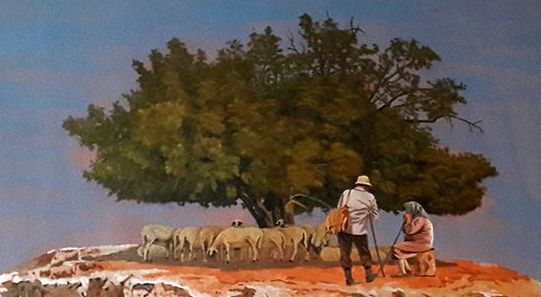
“Mr. Gleobas, may he always be in good health, told those ‘tough men’, “Leave these people be, they are but poor shepherds, they are not to blame. Let them return to their herds and families, pity them… That’s exactly what happened, they released us. That is why, having promised my wife before she died, I am on my way to Dali to find him”
“We’ll take you Mr. Rifat. Get in the car and I’ll ride your bike” It wasn’t easy as the bike was big and something like 60 years old.
Soon we arrived at Gleobas’ house. It was Sunday and they were waiting for their kids to arrive for lunch so he was busy getting the barbeque ready.
“Mr. Gleoba, I brought a man who has been looking for you for a long time and wants to see you,” I said.
He looked at Rifat carefully and said “are you that Turk who was brought with another two shepherds to the police station in 74?”
“Yes it’s me” Rifat replied “and I have come to thank you for standing up for us and being the reason we were released and are still alive today. Before my wife died, I promised her I would come to thank you.”
The two men embraced and hugged each other. We were all moved in a way that cannot be described. We were all in tears. These are truly rare human moments when the human spirit reaches its zenith and comes to the fore, when the heart blossoms and words and tears flow without pause and shame.
We sat down, ate traditional sweet caramelised fruit, drank refreshing cold water and said our goodbyes.
I took some photos. Rather nervously Gleobas told me “I hope you won’t be publishing these in some newspaper.”
“No Mr. Cleoba,” I assured him.
My mobile was stolen at an underground station in Athens a month later and those photos were lost. However, the memories etched in my mind will always stay with me.
I write this story in order to bear witness to the fact that in the middle of the coup, during the war that followed the Turkish invasion, humane acts took place by our people but also by people on the other side, the ‘enemy’ the same way criminal acts were carried out on both sides. Wars are barbaric, not people.
In Dali, September 2020
P.S
In a comment, ErkanBarbaros has this to say about his uncle Rifat
He was the best shepherd of our village. He was a connoisseur and cared for his animals. His favourite breeds of sheep were the greys and mavropatsales and for goats he favoured katellouress and shiolioness.
Along with his duffle bag (vourka) and his staff he was number one.
His herd was equipped with bells round the animal necks.
I can say a lot more about my uncle Rifat and the old way of life he followed. He was a very decent and upright man.
Mustafa Gelener
We have many stories but we must tell and write them down for our children so they are not lost.
Arıegeoıs North Cypriot
sent a famıly photo of Rıfat on hıs 93rd bırthday
MehmetMahmut
O RufatTayis (uncle) ,RifatKarkaploumi was a hard working, straightforward man. He probably reached his nineties to die. After the war the shepherds were not allowed to go too far from the village so he had to take his herd, alongside some other shepherds and they went to Dikomo… he only lasted two years there. He said there is no place like Louroudjina, he took his goats and sheep and walked to Louroudjina… When he became an elderly man he was still the same RifatTayi. he would walk on his way to the coffee shop with his stick (matsouka), a tall man, he never bent, standing straight. a man with no fear from anyone and never needed any one. He earned his life working. He lived long and he really lived a lot of things; it is a shame that he was not interviewed, to tell stories from the twenties thirties forties…
 Deme's Blog